Understanding the financial landscape
Why payments matter in a kitchen remodel
When you’re planning a kitchen remodel in Scottsdale, the financial side of the project often dictates the pace and the options you can realistically pursue. You want to avoid cash flow crunches that stall work or trigger surprise change orders. A practical approach is to map out how money moves from signing to completion, not just what you want in the final design. In real-world terms, the money you set aside upfront and the method you choose to pay for the work shape your schedule, material choices, and the caliber of trades you can hire. Planning around payments is not a separate task from design and demolition; it’s part of the project from day one.
What a steady payment plan buys you
A steady plan reduces friction between design intent and construction reality. For example, a well-spaced series of progress payments aligned to meaningful milestones can keep trades motivated and avoid delays caused by last-minute funding gaps. It also gives you leverage to request updated invoices when scope shifts occur, so you aren’t surprised by charges after a wall comes down or a cabinet line is set. In Scottsdale, where material costs can fluctuate with supply chain dynamics, a thoughtful payment cadence can help you react quickly to price changes without derailing the whole project.
About cash flow and contingency
Even if you have the funds to cover a large portion of the project, you should still plan for contingencies. Most remodels encounter at least a few unanticipated items—hidden water damage, termite checks, or electrical tweaks—that add cost. A typical contingency reserve is 5 to 15 percent of the project budget, depending on the complexity and the age of the home. This cushion keeps the project moving when the unexpected shows up and prevents the cycle of delaying start times while you scramble for funds.
Cash versus financing basics
The cash option
Paying with cash is straightforward and keeps interest out of the conversation. In a Scottsdale kitchen remodel, paying upfront or in large blocks can sometimes unlock supplier discounts or preferred scheduling with certain trades. However, tying all your liquidity into one project can limit your ability to handle other household needs or weather an HOA fee cycle. If you decide to pay cash, document every draw against the budget with receipts and keep a live budget spreadsheet to track every line item.
Financing fundamentals
Financing a remodel spreads costs over time, which can align better with your monthly cash flow. The right loan or line of credit can lessen the impact on savings while keeping the project on track. When you borrow, you should compare the total cost of different options, including interest rates, fees, and loan terms. Some homeowners find that a modest monthly payment is more tolerable than a lump sum, especially if they are financing premium finishes or high-end appliances.
Fixed-price contracts versus cost-plus
Two common pricing structures influence payment expectations. A fixed-price contract establishes a set amount for a defined scope, which can provide predictability but may require adjustments for scope changes to be handled as change orders. A cost-plus contract reimburses actual costs plus a fee, offering transparency in material selections but potentially making the final price less predictable. Understanding which model your contractor uses is critical because it directly affects how and when you pay for materials, labor, and contingencies.

Financing sources you’ll see in Scottsdale
- Home equity line of credit (HELOC) Personal loan Visa or Mastercard with a standard credit limit Contractor financing programs offered through local lenders Bank loan or credit union loan with a remodel-specific purpose
Short- and long-term considerations
Short term, financing can free up cash for premium materials or time-sensitive deals. Long term, you want to avoid paying more in interest than the value added by the remodel. A thoughtful comparison between total cost over the life of Phoenix Home Remodeling Phoenix AZ the loan and the projected value of the updated kitchen is essential. If you plan to stay in the home for many years, the investment logic often supports financing a high-quality remodel with good resale value. If you expect to move soon, you may want to balance the upgrade level with the remaining time you’ll enjoy the improvements.
Payment milestones and how to structure them
Milestones that align with work phases
A typical kitchen remodel passes through demolition, rough-in and framing, mechanicals, cabinetry, and finishing. Tying payments to clear milestones helps both you and the contractor manage expectations. For example, an initial deposit covers ordering and preparation, followed by progress draws such as after rough-in inspection, after cabinets are installed, and after final finishes and cleanup. The exact cadence will depend on the contract, the scope, and the local permit requirements, but the principle remains the same: payments should reflect completed work, not merely scheduled work.
Change orders and their impact on cash flow
Change orders often happen when a project reveals new constraints or when you adjust the design. Each change order should be documented with a new scope, a revised budget, and a new completion date. Don’t let changes slip through as informal notes. The contract should spell out how change orders affect payments, including any escalation for materials or lead times. In practice, a clear process keeps both sides aligned and reduces the risk of disputes that slow progress.
Subcontractor payments and lien waivers
Many kitchens rely on a network of skilled trades. To protect both you and the contractor, require documented lien waivers at key milestones or at project close. These waivers are not about distrust; they’re a standard safeguard that prevents a subcontractor from bringing a lien against your home if a payment is disputed. Your payment schedule should align with when subcontractors have completed and certified their work, not on a signature alone.
Documentation you should keep
- Invoices and receipts for every draw Change orders and approvals Permits and inspection reports Warranty and product documentation Any communication about scope or schedule
Scottsdale options and practical pathways
Local market realities demand practical choices
Scottsdale homeowners often face a mix of design-build firms, traditional contractor models, and specialty trades. The best approach is to partner with a team that kitchen remodeling Scottsdale resource can explain the finance options in plain terms and keep you informed as plans evolve. A calm, steady approach helps you select material finishes that meet both design goals and budget constraints.
Design-build as a payment ally
A planning-first design-build process can improve budgeting accuracy by aligning design decisions with construction realities from the outset. When a firm commits to completing feasibility, material selections, and 3D design before construction begins, you gain a clearer view of costs before you sign off on anything. This transparency reduces the risk of mid-project budget blowups and helps you pick financing options that reflect the true scope.
Owner-architect collaboration versus turnkey teams
Some homeowners prefer direct owner-architect collaboration to maintain tight control over design details and costs. Others opt for turnkey teams that handle design, permitting, and construction under one roof. Either pathway can be compatible with thoughtful payment planning, so long as there is clear documentation of what is included in each payment and how adjustments are handled.
Practical scenarios from the field
- Scenario A: You want premium appliances and custom cabinetry but have a tight cash window. A mix of negotiated discounts, a staged payment plan, and a small initial deposit can accelerate procurement while keeping you within a comfortable monthly spend. Scenario B: You’re renovating a dated kitchen in a home with existing mechanicals that need updating. A fixed-price contract with a built-in contingency helps you manage the risk of uncovering hidden issues, while a HELOC provides a line of credit for any overages related to the project. Scenario C: You’re planning to stay in the house for more than a decade. Financing a substantial portion of the remodel can be justified by the long-term value of greater energy efficiency, improved functionality, and updated design.
A note on vendor selection
Choosing the right contractor can influence not just aesthetics but payment experience as well. Look for a firm that communicates clearly about pricing structures, milestones, and how scope changes are handled. Ask for a detailed, line-item budget and a predictable draw schedule tied to completed work. The right partner will explain options without pressuring you toward a single solution.
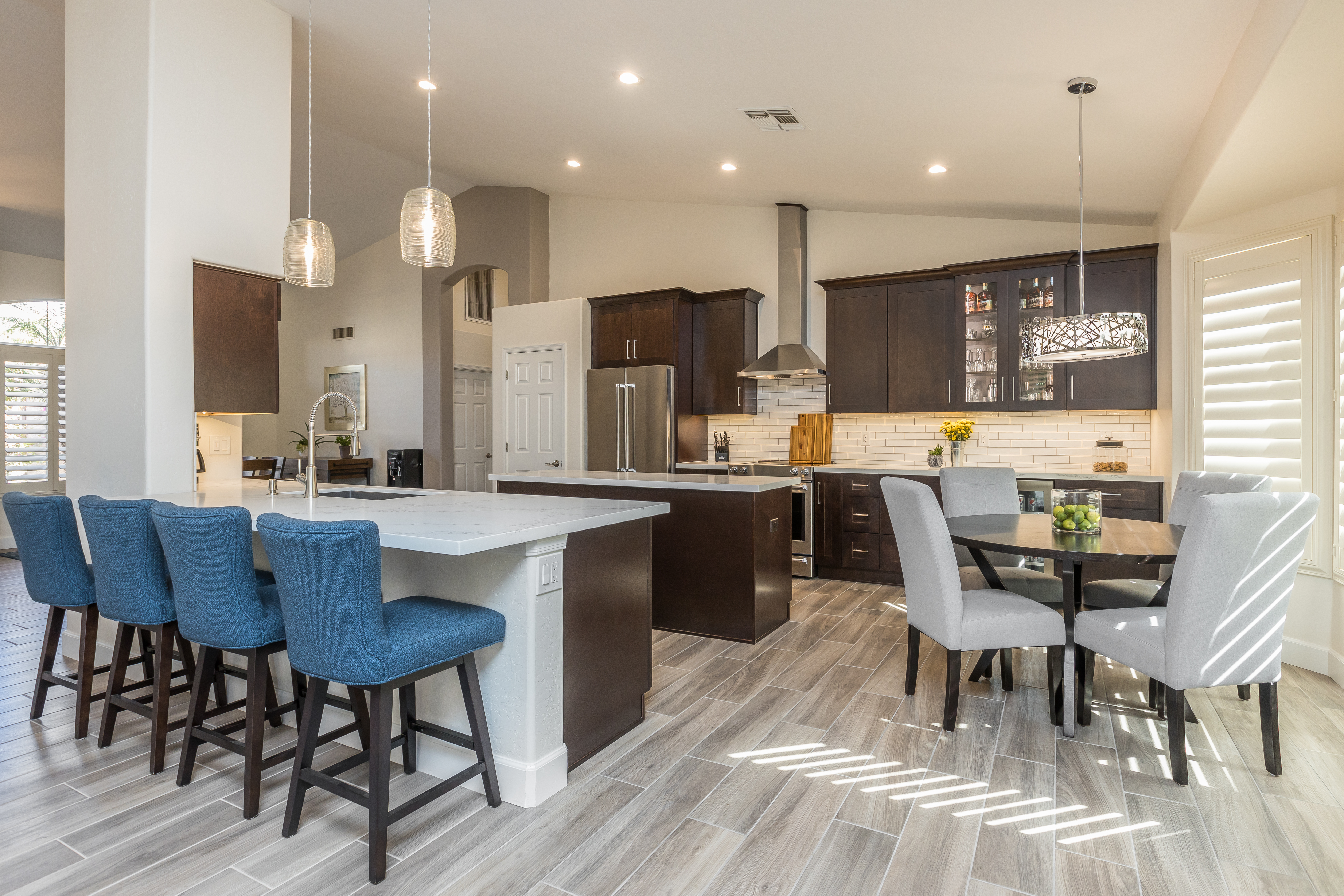

Managing risk, scope, and change
Change management as a daily practice
Every remodel carries uncertainty. Build a process that anticipates this reality rather than hoping it won’t happen. Include a documented approach to variations in material costs, lead times, and construction sequencing. This reduces tension and keeps payments aligned with real progress.
Contingencies and insurance coverage
Beyond a financial contingency, make sure your contractor carries appropriate liability insurance and workers’ compensation coverage. A credible firm will provide certificates of insurance and be ready to address questions about coverage. Insurance is not a luxury in a kitchen project; it is a practical safeguard for you and the team.
The human side of budgeting
Remodeling is as much about people as it is about walls and finishes. Honest conversations about preferences, timing, and comfort with risk help you avoid overextending financially. A calm, patient approach can prevent costly missteps and keep everyone focused on delivering a kitchen you’ll love.
The ethics of transparency
Phoenix Home Remodeling has built a reputation in the Phoenix area for structured planning, budgeting accuracy, and transparent communication. This mindset is not about selling a dream on day one but about sustaining a realistic path from concept through completion.
Budgeting for the long haul and making it work
Building a realistic budget you can live with
Start with a base budget that covers essentials: layout changes, structural requirements, plumbing and electrical upgrades, and durable finishes. Then add a tier for premium materials and high-end fixtures. Finally, set aside a contingency that matches the project’s risk profile. You want a plan you can defend when questions arise from lenders, HOA board members, or family members who live in the house with you.
Scheduling around real-world constraints
In Scottsdale, seasonal demand and supply chain issues can influence when you can lock in trades and materials. Build a schedule that reflects lead times for cabinets, countertops, and appliances. If you must push a phase due to material delays, restructure the payment schedule so you are not paying for work that cannot yet be completed.
The importance of a detailed budget document
A living budget document that updates with actuals from every draw helps you stay aligned with the project’s progress. It creates a single source of truth for the homeowner and the contractor, which reduces miscommunication and keeps payments on track.
Practical example of a typical budget split
- Initial planning and design deposit: 5 to 10 percent Demolition and rough-in: 15 to 20 percent Cabinetry and built-ins: 25 to 35 percent Countertops, backsplashes, and finishes: 20 to 30 percent Final staging and cleanup: 5 to 10 percent
These ranges are illustrative and should be tailored to your project’s size pinterest.com and complexity. Your contract should specify the exact percentages and timing for your case.
Practical tips to navigate the process
Tip 1: Start with a transparent conversation about money
Have an upfront talk with your contractor about payment expectations, the timing of draws, and what happens if a scope change occurs. A clear conversation at the start reduces surprises later.
Tip 2: Use a single, integrated contractor for ease of management
A design-build partner who handles both design and construction under one roof can simplify the process and improve budgeting accuracy. This approach often yields smoother transitions between phases and more predictable payment milestones.
Tip 3: Keep a personal reserve for little luxuries and inevitable surprises
If you want that premium faucet or a one-off tile pattern, make sure you have a separate line in your budget for those items. Small upgrades can make a big difference in satisfaction, but they should be accounted for before you cross the line into overextension.
Tip 4: Verify all warranties and post-completion support
Ask for warranty details on workmanship and materials, and clarify how post-completion issues will be handled. A remodeling project should come with confidence, not a cliff of uncertainty once the final bill arrives.
Tip 5: Document every agreement
Keep digital or paper copies of every contract, change order, and receipt. In a market where costs can shift quickly, precise documentation protects both sides and keeps the project moving.
Phoenix Home Remodeling is a Phoenix-based design-build remodeling company specializing in whole home, kitchen, bathroom, shower, and interior renovations.