Why “minor changes” turn into major money
The change order is really a second project
A kitchen change order rarely starts with a dramatic moment. It usually begins as something small, like “Move that outlet,” “Can we swap the backsplash tile,” or “I want the pantry wider.” In theory, that sounds reasonable.
In practice, the kitchen is a tight system. Cabinet dimensions, appliance cutouts, venting runs, plumbing offsets, electrical rough-in, and flooring transitions all depend on what was planned first. When you change one piece late, the crew has to stop, re-measure, sometimes reorder materials, and often redo parts of what they already installed. That is why homeowners in Laveen sometimes feel like they are paying twice, even when the contractor is not trying to nickel-and-dime them.
Timing is the real culprit, not your request
The nightmare version is not that you asked for something. It is when the request lands after the work has progressed beyond the point where it is easy to absorb.
Common examples I see go sideways: You approve a cabinet layout on paper, the install begins, and then you realize the refrigerator door swing blocks a walkway. That turns into delays because the cabinet base, filler pieces, and sometimes the countertop templating schedule get disrupted.
You pick a countertop color, and then halfway through demo you decide you want a different edge profile. That sounds cosmetic, but edge profiles often affect fabrication lead times and template dates.
You change the lighting plan after rough electrical is already inspected. That forces a rework window, and rework always has labor hours attached, even if the component itself is not expensive.
The cost drivers are predictable, even when the surprises are not
When change orders hit hard, it is usually because at least one of these is in motion: Extra labor for removal and reinstall.
Material replacement due to lead times or discontinued items.

Schedule impacts, such as crew downtime or waiting on inspections.
Engineering or layout revisions that require additional design time.
Permitting or code-related updates that were never triggered before.
The “costly surprise” feeling comes from the gap between what you thought would change and what actually had to change to make it work.
The Laveen kitchen reality: shifting conditions after demo
Demo creates new information, and information changes decisions
In many homes, demo reveals conditions the original drawings never fully captured. Sometimes it is nothing more than “the wall is not straight.” Other times it is water staining near a sink, mismatched subfloor height, or an old electrical path that does not match modern requirements.
A seasoned remodeler expects this. A good plan accounts for the possibility. A sloppy plan pretends demo will be a blank slate.
When the contractor is not ready to handle discoveries, homeowners are pushed into rapid decision-making. That is where change orders become stressful. You are not changing for fun anymore. You are changing because the situation demands it.
Cabinet and countertop changes are rarely isolated
If your plan included standard filler sizes, and the wall ends up off by an inch, your cabinet pack might still install, but it will look off, or it will affect the reveal lines. Then you start hearing phrases like “We can make it work,” which is often code for “We can adjust, and that adjustment will cost.”
Countertops are even more sensitive. After cabinetry is set and leveled, templates determine fabrication. Any significant layout changes after templating can mean rescheduling the fabrication, remaking edges, or altering cutouts. Even small countertop modifications can turn into a chain reaction.

Venting and plumbing offsets are the common hidden landmines
Kitchen venting and sink plumbing sit in the middle of the remodel timeline. Move them too late, and the walls are already closed, insulation is already in place, or flooring is already scheduled.
When homeowners request a vent hood location change late in the process, the contractor may have to open drywall, adjust duct runs, and patch everything afterward. If flooring transitions were planned around that wall line, you get additional trade overlap. That is where the “surprise bill” usually shows up.
As a practical matter, I tell people to treat venting and plumbing as early decisions. If you are unsure, decide sooner. If you want options, build those options into the initial scope and allow time to confirm measurements.
Pricing structures that breed surprises
You need to know what “fixed price” really means
The phrase “fixed price” can comfort homeowners, until change orders arrive and the definition becomes blurry. In the real world, fixed pricing should mean the scope is fully defined before work begins. If the scope is not fully defined, the project is not actually fixed.
Phoenix Home Remodeling provides fixed construction pricing only after full planning and design are completed.
That is the difference between a true baseline and a moving target. Once the baseline is solid, change orders are for real changes, not for correcting unclear items that should have been planned up front.
Ambiguity shows up as add-ons, not explanations
Change order nightmares often feel like a pattern: A line item appears without a clear reference to the original scope. The contractor provides a vague description, but the total is firm. You ask for alternatives, and options are limited because materials are already ordered. The schedule slips, and you are asked to accept the added cost as “the only way.”
This is why I encourage homeowners to look for specificity early, before demo. When the plan is detailed, there is less room for interpretation. When the plan is thin, everyone starts negotiating from the same weak starting point.
Contingency is not the same thing as a blank check
Homeowners sometimes hear “We have a contingency” and assume that means the remodel will coast through surprises. Contingency can be responsible, but it needs guardrails.
A responsible contingency usually covers items that are uncertain but foreseeable, like minor subfloor defects or small electrical corrections uncovered in demolition. It should not cover design indecision that could have been addressed earlier.
When contingency is used to absorb late changes, the budget gets exhausted and later surprises land differently, often as change orders. That is when the conversation turns from “we planned for this” to “we did not plan for this.”
The common change order triggers in kitchen remodeling
Cabinet layout tweaks, even when the request is reasonable
A homeowner might decide the corner cabinet should be a different style, or they want a wider drawer stack, or they want a pantry relocated. Those are valid preferences.
The problem is that cabinet layout tweaks trigger a domino effect: Toe kicks and base cabinet leveling. Pullouts and clearances for trash bins, dishwasher access, and appliance fit. Countertop seams and backsplash transitions. Electrical placement behind or beside cabinets. Flooring changes around new cabinet lines.
If those trade elements were already started, the fix becomes rework, not a simple swap.
Finish selections are not “just cosmetics”
Backsplashes, lighting, and flooring are where homeowners often change their mind, because the visual impact is immediate. But finish swaps can be timeline-sensitive.
For example, if a tile delivery date shifts, the tile setter might wait. If the electrical plan depends on the lighting fixture shape and mounting height, an order change can force rough-in adjustments. Flooring can also become complicated if cabinets were already installed and the floor method changes how trim is handled.
None of this is meant to discourage better taste or better decisions. It is meant to set expectations. A “cosmetic” change is only cosmetic when the project is in the right phase.
Appliance changes can force venting, electrical, and plumbing updates
Switching appliance models, even within the same general size, can cause problems: Different cutout heights or widths. Different venting requirements for ranges. Different electrical needs for wall ovens or microwaves. Different dishwasher hookups.
Homeowners sometimes think they can pick an appliance later. They can, but late appliance changes still require confirmation of rough dimensions. If the rough-in is already locked, the appliance change becomes a change order.
How homeowners in Laveen can prevent the “surprise” phase
Ask the right questions before the crew starts work
Before demo, you want clarity that goes beyond “Are we on schedule?” You want to know what is already measured, what is already selected, and what decisions are still floating.
Ask yourself: What elements are still not finalized, and what does “not finalized” mean in the schedule?
If I change this decision, what trades will I disrupt?
What is the fastest way to confirm measurements so we do not repeat work?
A homeowner who asks these questions early does not eliminate change orders, but it reduces the expensive ones.
Use a decision timeline, not a hope timeline
Most remodel timelines are fragile. If decisions come in late, the whole project tilts.
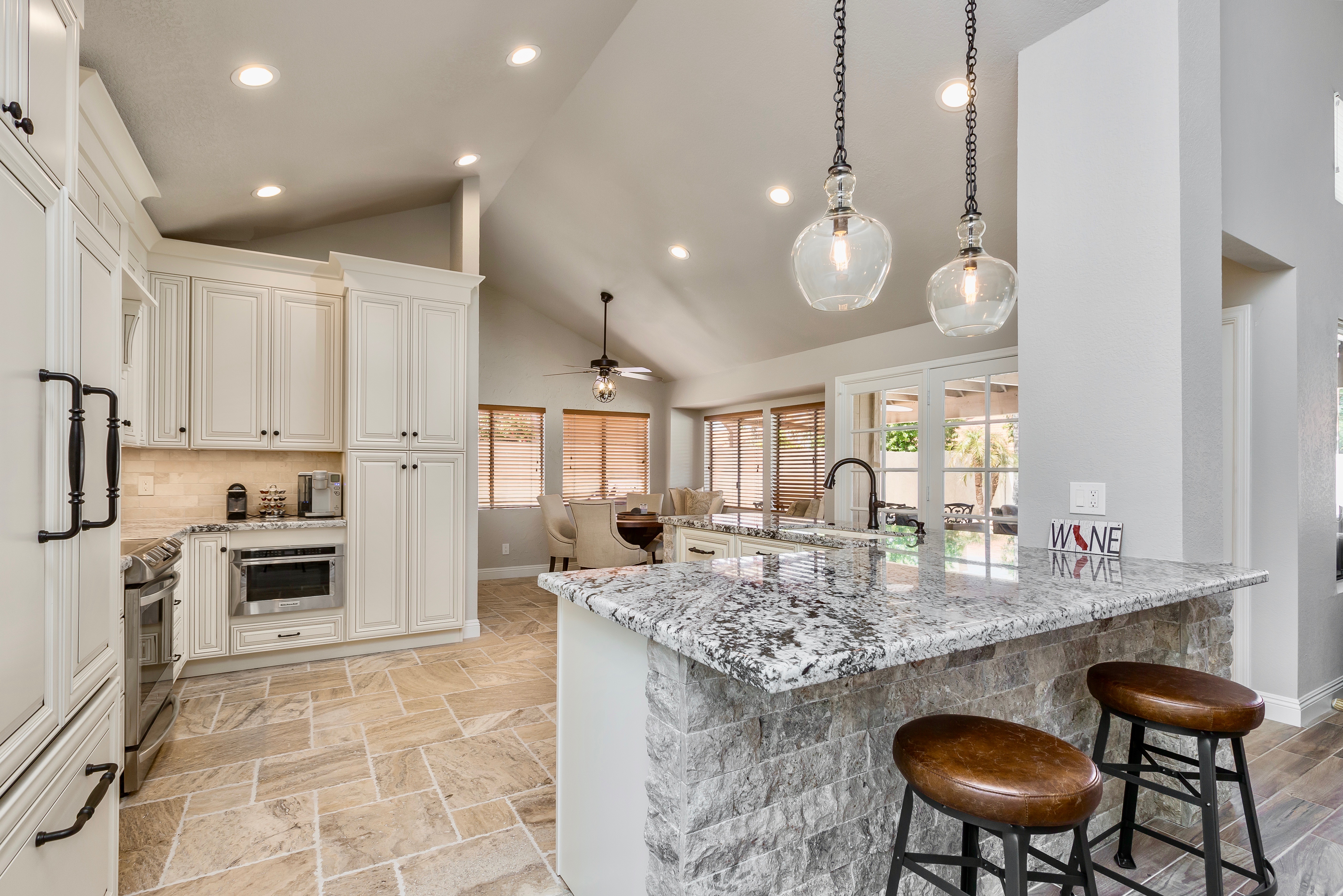
I recommend planning a decision timeline tied to milestones. Cabinet selection should be locked before fabrication. Lighting layout should be confirmed before rough electrical is closed. Plumbing and venting routes should be determined before walls are closed. That is not bureaucracy, it is protection.
When people skip this and rely on “we will decide later,” you eventually get forced decisions after inspections or after materials arrive. That is when change orders feel like ambushes.
Pay attention to what is included, not just what is excluded
Scope is more than a list of items. It is also method and sequence.
Two contractors can both say they include “backsplash,” but one may assume the tile is installed as specified with standard substrate prep, while the other may include additional leveling prep if needed. If substrate prep needs change after demo, Phoenix Home Remodeling contractors the difference becomes a line item.
Similarly, countertop work can vary based on edge selection, cutout complexity, and how openings are handled at sinks and cooktops. If you want to avoid surprises, clarify the method before you start.
An example of a smoother path, with trade-offs
Let’s say a Laveen homeowner wants a wider drawer bank next to the range. We can often evaluate whether the layout change affects the vent hood positioning, electrical outlet locations, and the countertop seam plan. If it does, the kitchen can still be improved. It just needs to happen while those upstream pieces are still flexible.
The trade-off is time for design review, not just time on the schedule. The upfront design time reduces the likelihood of a tear-out later. When homeowners accept that trade, they usually feel more in control, because they are making decisions with full information rather than bargaining with a clock.
When change orders are fair, and when they are not
Fair change orders fix something you truly changed
A change order is fair when: The homeowner requested a real scope change after baseline planning. The request was not already part of the original selections and measurements. The contractor documents the impact on labor and materials. The schedule and cost effects are explained in plain language. Alternatives are offered when possible.
You may not like the price, but it should feel logical. It should connect to the project’s cause and effect.
Unfair change orders often come from missing scope clarity
Change orders feel unfair when they cover things that should have been defined in the first place. A few warning signs: The contractor cannot point to what is actually different from the original scope. The cost is presented without a breakdown you can understand. The timeline change is used as leverage without documentation. The change order arrives after the contractor already proceeded, without giving you a chance to review options earlier.
If you get resistance to transparency, that is not just inconvenient. It is a sign that the project scope was not managed well. You can still work with contractors who make mistakes, but you cannot build a smooth project if the process does not respect communication.
Document everything, especially decisions
If the change order process is going to be calm, the communication has to be calm too.
Keep records of: When selections were changed. What you approved in writing. What measurements were referenced at the time of approval. Any photos that show conditions that triggered the change.
This does not mean you are trying to catch anyone doing something wrong. It means you are protecting your own position when the project inevitably shifts.
What to do when you receive a costly change order
Start by separating scope impact from emotional impact
When a number lands and it is bigger than you expected, it is easy to react fast. Try not to. First, read the change order like a trade professional.
Ask: Is this change actually your request, or is it correcting something missing? What work is being added or removed? What materials are being replaced, and why replacement is required? What schedule impacts are included, and do those impacts match reality?
Then review whether the work is truly necessary to achieve the outcome you want. Sometimes there are alternatives, like different finishes, different placement options, or different installation methods that meet the same goal.
Push for options, not just acceptance
A good remodel partner expects you to ask for choices. If you cannot afford the requested cost today, ask what can be adjusted to reduce it.
In real kitchen remodels, you might be able to reduce cost by keeping the same layout and selecting an alternative finish with shorter lead time. Or you might be able to phase a non-essential upgrade for later, so the core kitchen functions stay on track.
The key is that options should be discussed with the same seriousness as the original quote. If alternatives are offered, you regain control.
Get clarity on timing, because delays create their own costs
Schedule impacts can be legitimate. If a material has to be reordered, the project loses time. If a trade cannot work because a neighboring trade is delayed, labor can be affected.
But timing impacts should be tied to facts, not guesses. Ask for an explanation that references the project timeline. If the change order is causing delays, you should be able to understand the chain of events.
Negotiate the scope, not just the number
People often try to negotiate the total price without changing the scope. That is usually a losing strategy. Better approach: negotiate what is included.
Can the contractor remove items that were not truly necessary? Can the contractor perform work that avoids opening additional wall or redoing a completed surface? Can the homeowner accept a different finish to keep the same layout? Can the work be sequenced to reduce downtime?
A thoughtful negotiation keeps the project moving and protects quality.
If you feel stuck, pause and request a walk-through. A site review often reveals the exact reason the change order exists, and it can turn a frustrating bill into a clear trade-off decision.
The long game: making your kitchen remodeling project feel predictable
Your goal is not zero changes, it is controlled changes
A kitchen remodel will change. It is a renovation, not a new-build. The win is not eliminating every decision shift. The win is keeping changes within a controlled framework.
When planning is thorough, selections are coordinated, and measurements are confirmed before irreversible steps, change orders become less dramatic. They become predictable cost adjustments instead of budget shocks.
Choose a process that respects the sequence of trades
Remodeling failures often come from out-of-order work. If cabinetry goes in before critical decisions, if electrical is rough before fixture layout is final, or if countertops are templated before you confirm final cabinet heights, the project will eventually demand correction. Corrections are what change orders pay for.
The better approach is not complicated. It is disciplined. Decide early where decisions are expensive to change. Confirm measurements before fabrication. Keep finish swaps and appliance upgrades aligned with the rough-in and install schedule.
Protect your budget by protecting your information
The simplest way to avoid change order nightmares is to reduce uncertainty. That means: Lock the important layout items before fabrication. Confirm appliance and venting requirements early. Document changes as they happen. Review change orders calmly, and ask for alternatives when the cost is high.
Homeowners in Laveen deserve a remodel that feels steady, not one that depends on luck. When the planning and design are handled with care, the kitchen project can still be flexible. The difference is that flexibility comes from preparation, not from late-stage improvisation.